
Highsfield for Family Story Illustrations: Preparing a Video Concept f…
페이지 정보
작성자 Jerrold 작성일26-10-27 02:30 조회2회 댓글0건관련링크
본문
Before writing a video prompt, decide what a viewer should notice first. That decision matters for personal storytellers and family-project creators researching Highsfield and Seedance 2.5. The example here uses family story illustrations to plan a warm illustrated memory without impersonating real relatives. A clear focal point makes the brief easier to write. It also makes review more concrete: a draft can be assessed against its purpose instead of being accepted simply because the lighting, background or movement looks impressive.
The public Highsfield workflow includes writing a scene, reviewing supported model settings and inspecting a completed result before download or sharing. That sequence is more useful than assuming a name alone defines the output. For Seedance 2.5, check the current controls at the time of use. The examples discussed below remain published reference material, and the proposed scene remains a hypothetical planning exercise rather than a record of a tested job.
Decide How the Finished Asset Will Be Used
Consider a fictional assignment for personal storytellers and family-project creators. Its purpose is to plan a warm illustrated memory without impersonating real relatives. The setting is a stylized kitchen table in soft evening light, and the required visual detail is the character design and table arrangement. Give the viewer one action to recognize before adding another. A family-themed illustration can convey warmth without reproducing an identifiable person. If a real likeness or personal document is used, make sure the people involved have agreed to that use.
A publication exercise begins with the destination. A feed post, presentation and longer edit place different demands on a scene, even when the subject is the same. For family story illustrations, decide where the character design and table arrangement needs to remain visible. The planned placement should influence the original composition. Keep the audience’s task in view so a later crop or caption does not remove the information the clip was supposed to communicate.
Translate the Idea Into a Seedance 2.5 Prompt
A proposed scene prompt could read: "Setting: a stylized kitchen table in soft evening light. Action: An illustrated adult turns a page beside a closed drawing book. Camera: a steady medium view. Preserve the character design and table arrangement. Keep the background stable and end with the subject still recognizable." This is an original planning example, not a tested generation record. Select only input and output options the current model actually supports.
A reference can anchor the appearance of a scene, but it cannot resolve an unclear direction. Decide whether the task is to preserve the character design and table arrangement, explore lighting or test the movement. State the priority before describing optional atmosphere. A clear hierarchy makes the first review more useful. If the output loses the required detail, an appealing color palette is not enough to rescue it for the intended use.
Keep the proposed scene’s status clear when building the final post. A fictional concept can be useful, but it should not appear to document a customer, actual event or verified product performance. The surrounding copy should preserve that distinction. For personal storytellers and family-project creators, this is part of making the asset understandable. Match the clip to a truthful caption rather than using a polished image to imply evidence the project does not have.
Study Published Images and Video Examples
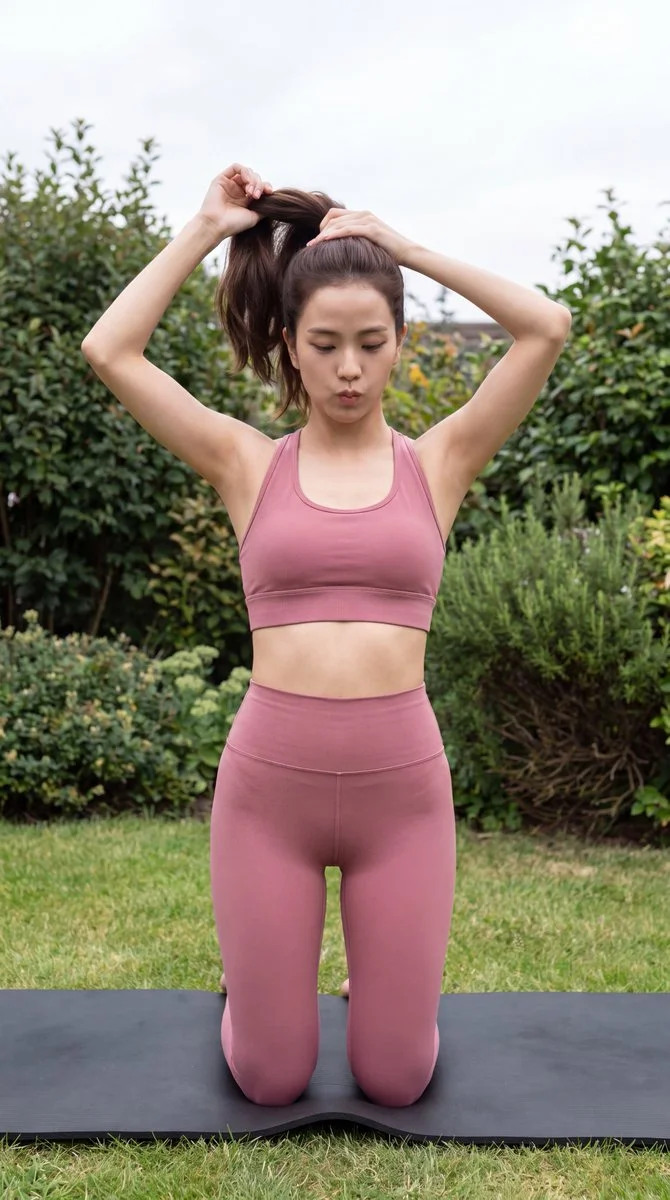 Published Highsfield visual reference: Outdoor fitness portrait on a garden lawn.
The published image shows a person posed on a lawn in exercise clothing. It is useful for studying a clear subject boundary and the relationship between the figure and the environment. The reference supplies a composition, not an automatic motion instruction. Use that distinction when planning the proposed scene. This is a reference from the public site, not a newly generated result or proof of Seedance 2.5 performance.
Published doorway-portrait video example from Highsfield. Open the published video example.
The video poster shows a person visible through a narrow doorway opening. Open the clip to study how framing can establish a focal point before movement begins, then judge the moving result rather than inferring it from the poster. Its use here is as a visual reference; this article does not attribute the clip to Seedance 2.5. Inspect the full action before applying a similar framing decision. The proposed project remains a separate, hypothetical exercise.
Check the Clip Against the Actual Assignment
For this particular concept, compare character anchors and remove invented identifying details. Reject the draft if the character changes age or the book gains readable private text. This gives the reviewer a concrete standard beyond whether the clip looks impressive. If the mismatch appears in only part of the clip, identify that moment before changing the brief. An acceptable opening frame does not excuse a subject or environment that becomes inaccurate during the intended action.
Ask another person to describe the clip without reading the prompt first. If their explanation differs from the intended purpose, the scene may be visually attractive but poorly communicated. An independent description can expose an unclear action. After that first impression, show the brief and inspect the mismatch together. For family story illustrations, pay particular attention to the character design and table arrangement and whether the camera gives that detail enough time to register.
Perform a final review with the exact title, caption and placement the audience will see. Check whether the combination changes the meaning of the image or implies a claim that has not been verified. The completed presentation is the real publishing unit. For this scene, compare character anchors and remove invented identifying details. Also confirm that the key action remains readable when the text appears and when the video is viewed at its intended display size.
Complete the Highsfield Workflow Carefully
Do not build a schedule around an unverified processing-time claim. Prepare the brief and permitted references first, then inspect the current Highsfield model options and http:// estimate before requesting a job. Allow time to inspect the result before considering the task finished. A completed request still needs a usable composition and accurate subject details. The promise to the audience comes from the finished, reviewed asset, not from the speed of the initial attempt.
Keep an approved clip with its prompt, selected settings and source references. That record makes a later revision easier to understand and prevents a concept from becoming detached from its original purpose. For personal storytellers and family-project creators, the next step is to review the complete captioned asset at its destination size before making the publishing decision. Use the editing stage for exact captions and approved copy. This is especially important when a date, product detail or explanatory claim could change after the visual has been prepared.
A useful next step is to write the scene in one plain paragraph and decide what would make it unacceptable. For this project, that includes the moment when the character changes age or the book gains readable private text. Highsfield and its Seedance 2.5 workflow can support the exploration, but the creator still needs to supply a clear purpose and judge the result. Use the observable result as the basis for the decision, then preserve the approved version with its prompt and source context.

댓글목록
등록된 댓글이 없습니다.