




Highsfield for Wedding Mood Concepts: Writing a Clear Video Brief
페이지 정보
작성자 Veola 작성일26-10-27 10:51 조회1회 댓글0건관련링크
본문
The most useful video concept often begins with an ordinary production problem. For event designers and couples planning original projects, this example explores wedding mood concepts with a simple purpose: to explore a decorative mood before final arrangements are selected. Highsfield connects that planning question with its Seedance 2.5 guidance, generator and published visual references. Begin by defining the scene’s purpose for its viewer, then work backward to subject, movement and framing. This makes the clip easier to judge than a prompt assembled from fashionable cinematic adjectives.

The public Highsfield workflow includes writing a scene, reviewing supported model settings and inspecting a completed result before download or sharing. That sequence is more useful than assuming a name alone defines the output. For Seedance 2.5, check the current controls at the time of use. The examples discussed below remain published reference material, and the proposed scene remains a hypothetical planning exercise rather than a record of a tested job.
Give the Brief a Visible Purpose
Consider a fictional assignment for file[https://spy.chaoniulian.com/DeeplinkBot/api/618/rss-feed/?source=RankerX&tier=T1&subCountLess=8&online=true&group=auto104] event designers and couples planning original projects. Its purpose is to explore a decorative mood before final arrangements are selected. The setting is an empty reception table with plain linen and candles, and the required visual detail is the spacing of objects and consistent table shape. Start by choosing a single action the viewer can follow. A mood concept is not a photograph of a booked venue or a promised décor package. Use it to discuss color and atmosphere, then confirm actual materials, availability and layout with the people organizing the event.
Turn the production goal into an observation the viewer can make. The concept should explore a decorative mood before final arrangements are selected, so the key detail is the spacing of objects and consistent table shape. Write a short sentence explaining why that detail belongs in the scene. A purposeful detail is more useful than another style adjective. This gives a reviewer enough context to distinguish a deliberate choice from a defect introduced during generation.
A Seedance 2.5 Scene Brief to Evaluate
A proposed scene prompt could read: "Setting: an empty reception table with plain linen and candles. Action: Candle flames move gently while the table remains still. Camera: a slow side view of the table. Preserve the spacing of objects and consistent table shape. Keep the background stable and end with the subject still recognizable." This is an original planning example, not a tested generation record. Select only input and output options the current model actually supports.
A reference can anchor the appearance of a scene, but it cannot resolve an unclear direction. Decide whether the task is to preserve the spacing of objects and consistent table shape, explore lighting or test the movement. State the priority before describing optional atmosphere. A clear hierarchy makes the first review more useful. If the output loses the required detail, an appealing color palette is not enough to rescue it for the intended use.
The prompt should not repeat the same idea through several synonyms. If the subject is already described clearly, use the next sentence for movement or spatial relationships. Repeating the same preference does not resolve an unclear action. For this exercise, state what should not change in the spacing of objects and consistent table shape, and reserve any later caption area deliberately. Exact promotional copy can be added after the visual result has been selected.
Study Published Images and Video Examples
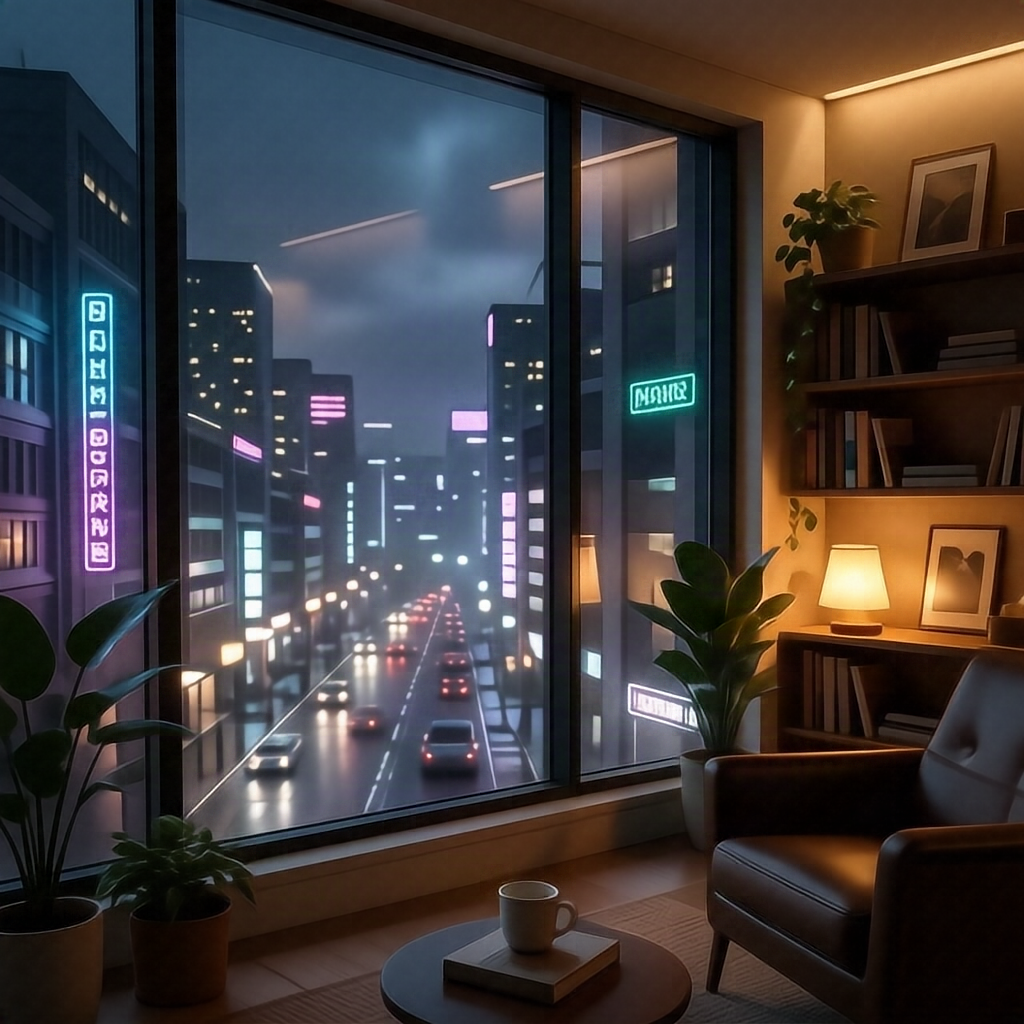 Published Highsfield visual reference: Reading room overlooking a neon city at night.
The published image shows a warmly lit reading room beside a cool city view. It is useful for studying the contrast between a stable interior and an atmospheric exterior. A still establishes appearance, while movement needs its own brief. Use that distinction when planning the proposed scene. This is a reference from the public site, not a newly generated result or proof of Seedance 2.5 performance.
Published doorway-portrait video example from Highsfield. Open the published video example.
The video poster shows a person visible through a narrow doorway opening. Open the clip to study how framing can establish a focal point before movement begins, then judge the moving result rather than inferring it from the poster. Its use here is as a visual reference; this article does not attribute the clip to Seedance 2.5. Compare the opening and ending before borrowing a camera idea. The proposed project remains a separate, hypothetical exercise.
Check the Clip Against the Actual Assignment
For this particular concept, compare the place settings and make sure the concept matches the brief. Reject the draft if extra decorations appear or candles change position. That is a visible requirement rather than a general preference for a polished look. If the mismatch appears in only part of the clip, identify that moment before changing the brief. An acceptable opening frame does not excuse a subject or environment that becomes inaccurate during the intended action.
Review the clip at normal speed before examining individual frames. The first pass asks whether the action is understandable; the second looks for instability in the spacing of objects and consistent table shape. A pause can reveal a defect that motion conceals. Compare the opening, a middle moment and the ending, then examine any transition that looks wrong. Do not let an attractive thumbnail stand in for a review of the actual moving result.
Approve the brief before approving a generated result. A teammate should be able to identify the main action, the required detail and the destination of the clip. A clear assignment makes the first review more specific. If the proposed scene quietly asks for several conflicting events, fix that problem in the writing stage. This is a smaller and more informative intervention than repeatedly requesting new outputs from the same unclear instructions.
Take the Highsfield Draft Into the Final Edit
Audio should be a separate decision. Highsfield’s guidance distinguishes speech, ambience and music, and audio availability depends on the selected model’s controls. Check the audio option rather than inferring it from the model name. If sound is supported, describe its role in the scene. If the project already has a recording or licensed track, the editing stage may be the clearer place to assemble and balance it.
After selecting a draft, view it with the intended caption and destination layout. The surrounding message can change what the visual appears to claim. Review the complete presentation rather than the clip in isolation. For wedding mood concepts, place the approved scene brief beside the selected draft before editing the final caption. Keep the source and approval notes together so a later teammate can make a correction without repeating the entire creative exercise or inventing the meaning of an unfamiliar file.
A short video earns its place by making a useful idea visible. In this hypothetical wedding mood project, that means preserving the spacing of objects and consistent table shape while the scene unfolds as intended. Highsfield’s Seedance 2.5 resources are a place to start planning that work, with live model options checked in the generator. A coherent result is a better goal than a complicated prompt. Keep the useful draft, document the decisions and bring exact wording into the final edit.
댓글목록
등록된 댓글이 없습니다.