




Highsfield for Science-Fiction Concepts: Directing Camera Movement
페이지 정보
작성자 Kareem Gabel 작성일26-10-27 05:01 조회3회 댓글0건관련링크
본문
A viewer should be able to understand a short visual idea without decoding the creator’s prompt. That is a useful way for independent science-fiction creators to approach Highsfield and its Seedance 2.5 workflow. In a hypothetical project about science-fiction concepts, the aim is to develop an original establishing image for a story. One well-defined action can carry the scene. The creative challenge is deciding what belongs in the frame and which details need to stay unchanged as the clip develops.
The Highsfield homepage emphasizes a subject, a clear action and a review of supported settings. That is a useful planning framework for Seedance 2.5. The generator, rather than a guide’s headline, is where current model access and input options are shown. Confirm the available controls before committing to a particular method. A reference still or published clip can inspire a brief without establishing a promise about timing, output quality or a specific model’s capabilities.
Choose a Viewpoint With a Specific Job
Consider a fictional assignment for independent science-fiction creators. Its purpose is to develop an original establishing try image to video AI for a story. The setting is a rocky plain beneath a large ringed planet, and the required visual detail is the helmet silhouette and the scale of the landscape. Give the viewer one action to recognize before adding another. The public science-fiction artwork offers a composition study, not permission to borrow someone else’s fictional characters. Describe an original setting in concrete visual terms and keep the project’s own story decisions separate from the reference.
Treat the frame as a boundary for the intended event. The viewer needs enough context to understand the setting, but the detail that matters is the helmet silhouette and the scale of the landscape. The viewpoint needs to keep the important detail readable. Decide where the subject sits in the frame before adding movement. This prevents a visually energetic shot from drifting away from the very feature the clip was meant to introduce.
A Seedance 2.5 Scene Brief to Evaluate
A proposed scene prompt could read: "Setting: a rocky plain beneath a large ringed planet. Action: A lone explorer turns slightly toward the distant horizon. Camera: a fixed wide view with the explorer small in frame. Preserve the helmet silhouette and the scale of the landscape. Keep the background stable and end with the subject still recognizable." This proposed prompt illustrates the assignment; it does not document a completed job. Select only input and output options the current model actually supports.
Describe the opening and closing states in ordinary visual language. Start with the subject established in its setting; end after the intended action is visible, with the helmet silhouette and the scale of the landscape still recognizable. The closing state should complete the action rather than introduce another one. This does not guarantee frame control in every model. It makes the intention clear enough that the resulting clip can be compared with the original brief.

Keep subject movement and camera travel from working against each other. If the audience needs to inspect the helmet silhouette and the scale of the landscape, a rapid viewpoint change may hide it. A restrained viewpoint can give the action more clarity. State the desired direction and endpoint in the brief, then leave room for a review of whether the result maintains useful subject scale instead of unexpectedly enlarging or losing the subject.
Use Public References With Their Context Intact
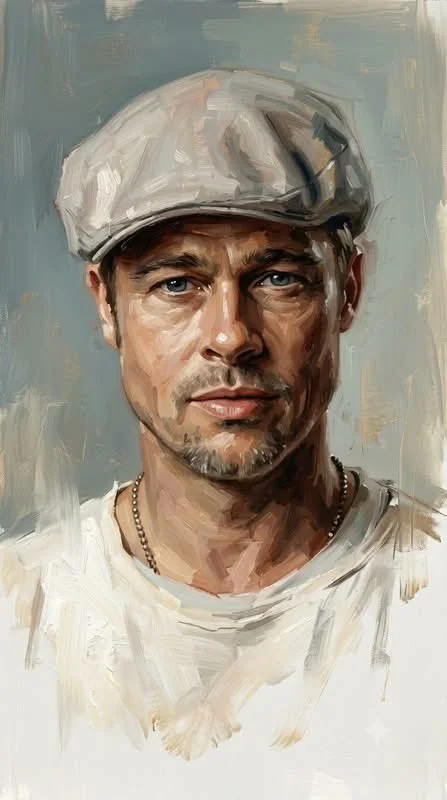 Published Highsfield visual reference: Expressive painted portrait with visible brushwork.
The published image shows a painted portrait with visible surface texture. It is useful for studying selecting a few appearance anchors instead of requesting an undefined overall look. The reference supplies a composition, not an automatic motion instruction. Use that distinction when planning the proposed scene. This is a reference from the public site, not a newly generated result or proof of Seedance 2.5 performance.
Published forest-environment video example from Highsfield. Open the published video example.
The video poster shows a dark forest scene with a small central focal area. Open the clip to study environmental depth and a clear route for the viewer’s attention, then judge the moving result rather than inferring it from the poster. Its use here is as a visual reference; this article does not attribute the clip to Seedance 2.5. Inspect the full action before applying a similar framing decision. The proposed project remains a separate, hypothetical exercise.
Review the Action and Required Details
For this particular concept, compare the explorer scale and planetary outline throughout the clip. Reject the draft if the helmet disappears or the planet changes shape. That is a visible requirement rather than a general preference for a polished look. If the mismatch appears in only part of the clip, identify that moment before changing the brief. An acceptable opening frame does not excuse a subject or environment that becomes inaccurate during the intended action.
Use the brief as a short scorecard. Mark whether the subject stays recognizable, the action happens and the camera follows the intended direction. In this scene, the failure to reject is that the helmet disappears or the planet changes shape. Choose the most consequential mismatch before making changes. Fixing everything at once can erase a good composition without clarifying what caused the original problem or why a later result improved.
Review the camera path separately from the subject’s action. First ask whether the view stays at a useful distance; then check whether the action happens as intended. Separating those questions makes a revision more precise. If the subject is accurate but the view drifts, revise the camera direction. If the view works but the helmet silhouette and the scale of the landscape changes, keep the framing and correct the appearance or action instruction.
Take the Highsfield Draft Into the Final Edit
A reference upload is a technical and editorial choice. Confirm that the current Highsfield model accepts the input type, and use material you are permitted to upload. A public image does not automatically grant reuse rights. Choose a reference because it explains the desired subject or composition. Keep a record of its origin so the final review can distinguish an approved source from a convenient but unsuitable image.
Maintain a distinction between the generation record and the publishing record. The first explains how the draft was requested; the second identifies the version and copy accepted for use. That separation helps a teammate understand what was approved. For independent science-fiction creators, test the chosen view in the intended crop and preserve the important detail through the edit. The final asset should carry the intended action into its destination while preserving the accurate details, source context and editorial decisions that made it suitable in the first place.
The practical standard is simple to state even when it takes several drafts to reach: the audience should see the intended action and recognize the required subject details. For science-fiction concepts, the helmet silhouette and the scale of the landscape is part of that standard. Highsfield’s Seedance 2.5 workflow can inform the brief, with current availability verified in the generator. Give each new attempt a specific reason. That habit makes the experiment easier to review, hand off and revisit when the project develops further.
댓글목록
등록된 댓글이 없습니다.